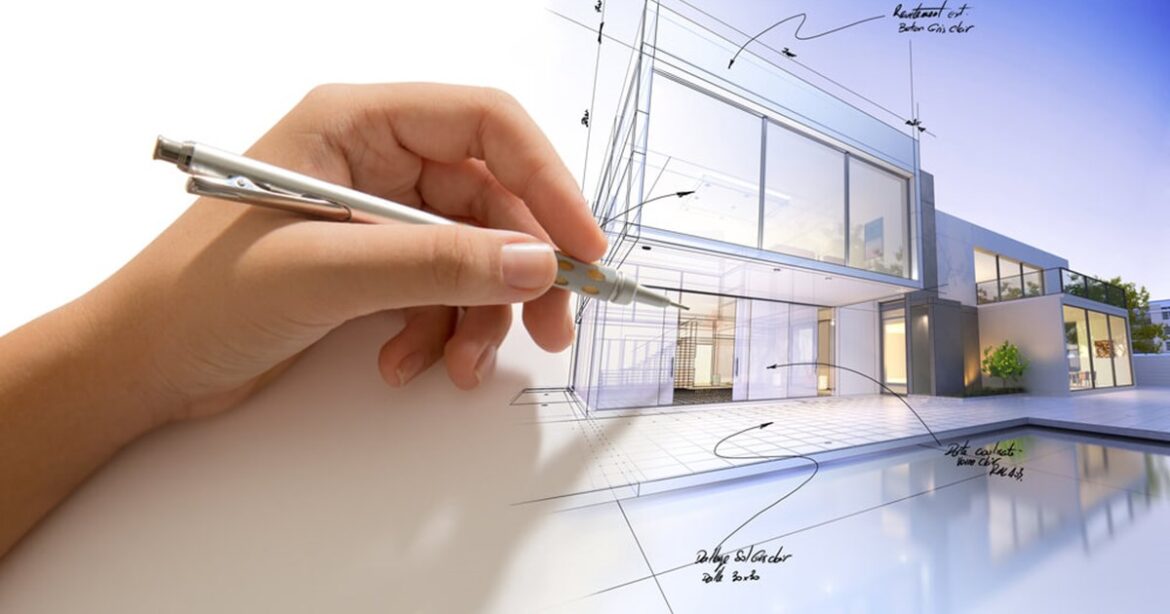
Building a new home in Australia is an exciting yet often complex journey. One of the most critical aspects in this process is distinguishing between standard inclusions—those features already covered in your home builder’s base price—and optional upgrades that allow greater customization and improved livability. Knowing the difference, understanding the benefits and costs, and planning early can save stress and ensure satisfaction with your finished home.
What Are Standard Inclusions?
At the heart of any building contract with a reputable home builder in Australia is a detailed inclusions list that defines exactly what you will receive under the standard package. These inclusions form the basis of the base price and typically cover essentials such as the slab, frame, roof, kitchen fittings, bathrooms, basic fixtures, basic floor coverings, and basic electrical and plumbing services.
Across many builders in Australia, that package often includes walls and ceilings with basic finishes, skirting boards and architraves of modest sizes, standard kitchen cabinetry with laminate benchtops, a basic stove and rangehood, standard vanity units and shower screens in bathrooms, and modest LED or standard light fittings, power points, plus hot water systems and ducted or split-system cooling/heating (depending on the region).
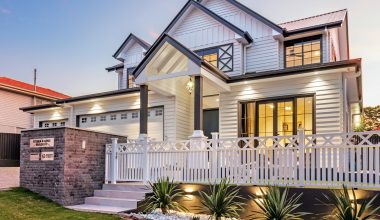
Generally, what is included varies between builders and between different price ranges or housing collections. Some builders even treat features once viewed as upgrades—such as higher ceiling heights of 2.6 metres rather than the standard 2.4 metres, stone benchtops, or reverse-cycle air conditioning—as part of their standard package to offer more value to budget-focused buyers.
Why Understanding Inclusions Matters
Many display homes are dressed up with premium items that aren’t actually part of the standard inclusions, leading to confusion and disappointment if buyers assume they’re included. Builders might showcase features such as designer tapware, high-end flooring, or expansive landscaping—all of which may only be available as paid upgrades.
Without scrutinizing the builder’s written inclusions list, you may end up incurring unexpected variation costs. Some experts even advise allocating roughly 75% of your build budget to the base price and reserving 25% for upgrades or extras to avoid surprises down the track.
Types of Upgrades to Consider
When building a home in Australia, selecting upgrades can truly transform both the style and functionality. Upgrades often fall into several categories:
Structural and Decorative Upgrades
Higher‐than‐standard ceiling heights deliver a sense of spaciousness and better natural light. Many builders offer 2.5 m or 2.7 m ceilings as paid options, or include 2.6 m as standard in higher‑end ranges. Premium façade options—such as upgraded cladding, architectural styling, or enhanced street appeal features—are another common upgrade buyers choose to elevate the exterior look of their home.
Decorative interior extras like ornate cornices, timber flooring in main living areas, wainscoting, walk‑in robes, soft‑close cabinetry, and 40 mm stone benchtops in kitchens and bathrooms offer luxurious touches many opt for.
Fixtures, Appliances and Finishes
Upgraded kitchen and bathroom fixtures are popular upgrades. Upgrades may include thicker Stone Ambassador or Caesarstone benchtops, waterfall island edges, gas cooktops or large 900 mm ovens, higher‑grade appliances, and designer tapware in matte black or chrome finishes. Luxurious bathroom upgrades could include twin head shower rails, ceramic tiling to full‑height, frameless shower screens, and smart tile wastes.
Functional and Performance Upgrades
Many upgrades affect livability and energy efficiency. These include air‑conditioning options: split‑system, evaporative, or reverse‑cycle ducted systems customized to zones depending on your lifestyle and the climate.
Other performance upgrades include enhanced energy ratings through thicker insulation in walls and roofs, double glazing, and acoustic batts to reduce sound transfer—features that cannot easily be added once building is underway. Smart‑home wiring, security systems, additional gas and water outlet setups, and higher quality electrical and lighting fittings are also part of these “now or never” decisions made early in the build process.
Planning for ‘Now or Never’ Inclusions
In the planning or design stage with your home builder in Australia, certain inclusions are considered “now or never” because they must be specified up front. These include things like ceiling heights, insulation levels, cooling and heating system layouts, wiring for home automation or security, acoustic treatments, and specific outlet placements for gas and water. Waiting too late can result in expensive retrofits or limited options.
These decisions have long-lasting impact on comfort, performance, resaleability, and cost efficiency. Being deliberate here helps future-proof the home and ensures you don’t live with regrets once construction advances beyond that stage.
How Different Australian Builders Approach Inclusions
Different builders cater to different segments of the market, and their inclusions reflect that. For example, Brighton Homes includes features like 4‑zone reverse‑cycle air‑conditioning, tiled and carpet flooring, solar systems, and steel frame construction as standard in many designs; upgrades might include curtains, driveway finishes, or external gardens.
Cougar Homes, operating in areas like Cairns and Mackay, offers packages with 2600 mm ceiling height as standard and includes stone kitchen surfaces, customisable cabinetry, floating vanities, smart tile wastes, double insulation, and thick wall frames in their higher tiers—while their basic tier retains more conventional inclusions.
Homebuyers Centre in Victoria positions itself as offering premium quality inclusions as standard, such as crystalline silica‑free bench surfaces, Westinghouse appliances, Colourbond roofing, LED downlights, and high‑quality fittings from brands like Bradnam’s windows and Caroma tapware. Yet upgrades are still available for higher spec finishes and extra personalization.
Getting It Right with Your Builder
When talking with potential home builders or sales consultants, it’s essential to ask clear and specific questions:
- What exactly is included in the base price? Insist on a detailed written inclusions list.
- What is not included—particularly as seen in the display home?
- Which upgrades are available, and how much do they cost?
- What are those now‑or‑never decisions that must be made early?
- How are appliance and fixture brands, sizes and qualities specified?
Ensure you compare homes on an “apples to apples” basis: one builder’s base price might exclude premium fixtures that another includes. Transparency here is vital to understanding the true value of the offer — and to preventing costly surprises later.
Benefits and Value of Smart Inclusion Choices
Choosing wisely between inclusions and upgrades delivers several benefits when building a home in Australia:
Enhanced Lifestyle and Liveability: Features like higher ceilings, upgraded kitchen surfaces, improved climate control, and quality fixtures add comfort and long‑term enjoyment.
Energy Efficiency and Lower Running Costs: Better insulation, energy‑efficient appliances, solar installation, and double glazing reduce bills and support sustainability goals.
Resale Value and Market Appeal: Homes with premium inclusions and thoughtful functional upgrades often yield higher resale prices and attract discerning buyers.
Peace of Mind and Avoiding Regrets: Knowing exactly what you get and what you pay for—early on—reduces stress and ensures expectations are met.
Bringing It Together: Building a Home in Australia
When you’re working with a home builder in Australia, remember that your choices around inclusions and upgrades fundamentally shape the outcome of your home. Knowing which features are included as standard and which might be optional extras allows you to navigate budgeting and customization with confidence. Structural or design upgrades enhance aesthetic appeal; fixture upgrades bring style and convenience; functional upgrades preserve efficiency and comfort.
It’s also vital to prioritize early decisions—like ceiling heights, insulation, and integrated systems—since these become costly or impossible to change later. By doing your homework, comparing builder packages transparently, and understanding the distinction between a display home’s contrasts and your actual contract, you can tailor your dream home to suit your lifestyle and maximize both enjoyment and value.