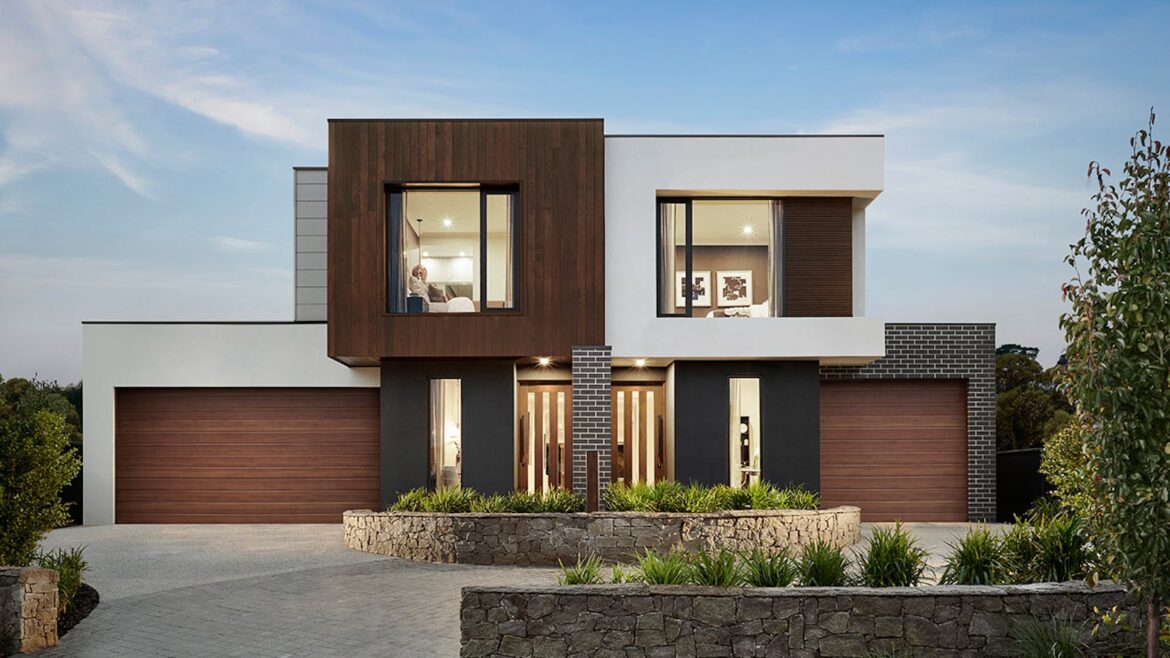
Making the decision to build a home in regional Australia is both exciting and daunting. The lure of open space, affordability, community, and lifestyle often seems irresistible—but careful planning and research are vital to ensure it truly delivers. In this post, we explore what it takes to build regionally, the advantages and drawbacks, the hiring of home builders, and effective ways to manage your build and lifestyle—even from afar.
Considering a Regional Build: Why So Many Choose It
Across Australia, families and individuals are increasingly drawn to regional centres—places like Bundaberg, Ballarat, Tamworth, and Geelong—seeking more space, lower cost of living, and a slower pace of life. Land in regional areas typically offers far more value than in capital cities; you can often buy acreage or larger residential lots for a similar price you’d pay for a cramped suburban block in Sydney, Melbourne, or Brisbane.
For aspiring homeowners, that means the opportunity to design a custom property: a home with wide verandahs, a garden, even a shed. Regional areas often have proximity to nature, beaches, vineyards, and tight-knit communities. What’s more, the lower population density and reduced congestion can be notably beneficial for raising children or planning a peaceful retirement.
The Cost Equation: Is It Really Cheaper?
At first glance, regional builds look much more affordable. Land is cheaper, and in many areas, labor and materials can also cost less than city rates. Local councils may also offer incentives or concessions to encourage development. However, non-obvious factors can increase the budget: you may be paying for extended drives for tradespeople, separate site accommodation, contractor travel costs, and potential delays in deliveries of specialised materials.
You’ll need to factor in site works for remote blocks: soil testing, drainage, increased foundation costs, or bushfire building requirements—particularly in rural zones. Whereas in metro areas trades are close by and competition keeps costs down, remote projects may incur markups or scheduling gaps that extend the timeline—and inflate the budget.
Choosing Home Builders: Local Expertise Matters
When building regionally, selecting a home builder with experience in your particular area is crucial. Coastal zones, high fire risk regions, floodplains, and local heritage overlays each have unique regulatory requirements. Builders known for their expertise in these matters are better placed to navigate local councils, engineer specifications, and construction codes.
Look for registered builders with a portfolio of completed regional homes similar in style or scale to your vision. Local builders often have long-standing relationships with surveyors, engineers, and suppliers. National or city-based builders may struggle to coordinate those local relationships effectively. And if you’re managing remotely—perhaps living overseas or in the city—working with a builder accustomed to remote communication is especially beneficial.
Value and Lifestyle: What You’re Really Paying For
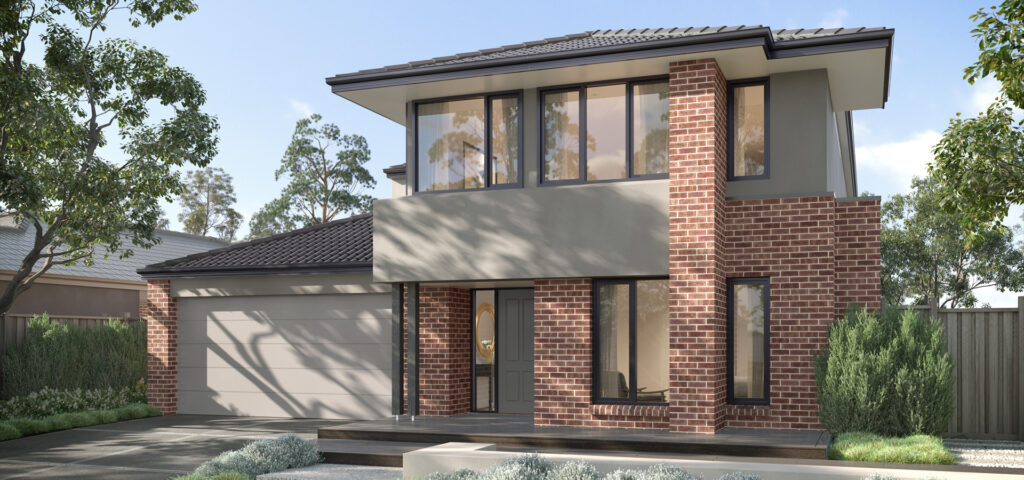
A regional build can offer far more square footage, a private garden or yard, and the ability to tailor your home’s layout and features to your lifestyle. In many regional towns, you might find acreage homesites or rural residential blocks that accommodate hobby farming, large outdoor areas for children, or even home-based businesses.
You’ll typically save on property taxes, council rates, and commute times. In many cases regional communities offer genuine work‑life balance: less traffic, vibrant local networks, and easier access to parks, beaches, and countryside. The overall ‘value’ comes not just in financial savings but in mental health, wellbeing, and customized living.
Challenges: Distance, Services, and Resale Considerations
That said, building remotely or living regionally introduces potential downsides. Infrastructure may be thinner: the absence or inconvenience of high‑speed internet, fewer hospitals or specialist medical services, longer drive times to bigger retail centres. For families, local schools may offer only limited curriculum or choices. If you work remotely, reliable broadband becomes critical—making installation of fixed wireless, NBN, or satellite internet a priority.
Resale potential must also be considered. While many regional centres are growing, real estate cycles are slower. Your appeal to buyers depends on local employment prospects, amenities, and proximity to transport hubs. Some remote communities have seen prices stagnate where economic growth has slowed.
Remote Management and Professional Services Online
One modern advantage of building in regional Australia is the ability to manage professionals remotely. Online marketplaces like Legiit provide access to content writers, SEO, marketing, web design, and project support—ideal if you want to manage your build, promote your project, or create a blog or website around your journey. Legiit is a vetted freelance platform connecting clients with skilled freelancers in categories like SEO‑optimized blogs, web content, graphic design, and technical services . It offers tools like messaging, project dashboards, and efficient delivery, making it convenient to outsource tasks even if you’re based outside the regional town where you’re building.
Whether you’re documenting the build process, coordinating with trades, or marketing your future rental or Airbnb possibility, these online platforms make outsourcing straightforward. Professional content creators can elevate your presentation; remote assistants can help track documentation, contracts, and schedules. Legiit’s low fees and diverse expertise create a versatile toolset, especially useful for remote project oversight .
Step‑by‑Step Guide to Building in Regional Australia
Start your journey by defining exactly what you want: acreage or residential block? Single or multi‑storey home? Sustainability features? Energy efficiency? Proximity to schools, shops, hospitals? Next, research local builder firms: look at their regional portfolios, check for testimonials or case studies, and verify they’re licensed for bushfire zones, floodplain or coastal construction.
Once you’ve selected a builder, undertake thorough site evaluations: soil reports, slope, bushfire or flood risk zoning. That informs foundations and potential engineering costs early on. Compare fixed‑price quotes that include allowances for remote travel and materials delivery. Ask for stage‑by‑stage payment schedules tied to milestone inspections or independent valuations. Good builders will walk you through the timeline, explain local requirements (such as BAL ratings or termite management), and help you select suppliers or fixtures that balance cost with durability.
Communication is key: if you’re remote managing (e.g. back in the city or abroad), establish weekly check‑ins, video calls, and build‑site photo reports. Many builders now use project management apps or cloud folders to share plans and invoices. Make sure you understand inspection timelines and finance drawdowns aligned with the build stages—especially if you’re managing your mortgage from afar.
Balancing Cost, Quality, and Lifestyle
If you’re prepared to invest in site preparation and manage some trade logistics, regional building can offer remarkable value. You can get a larger home, land, or eco‑design that would be cost prohibitive in a metro area. The lifestyle benefits—like superior air quality, slower pace, outdoor space—often outweigh longer distances to city services. For families, the sense of community and proximity to nature are compelling draws.
However, you still need to preserve build quality. Avoid cutting corners with unlicensed trades or skipping key engineering stages. Factor in future resale and infrastructure changes—transport upgrades or new hospitals may boost future value, while declining services could do the opposite.
In many cases, remote management is made easier by digital tools and freelance marketplaces for administrative, content, or marketing tasks—as highlighted above—helping keep projects on track even if you’re not physically on site.
Real‑World Example: Why a Young Family Chose Regional Victoria
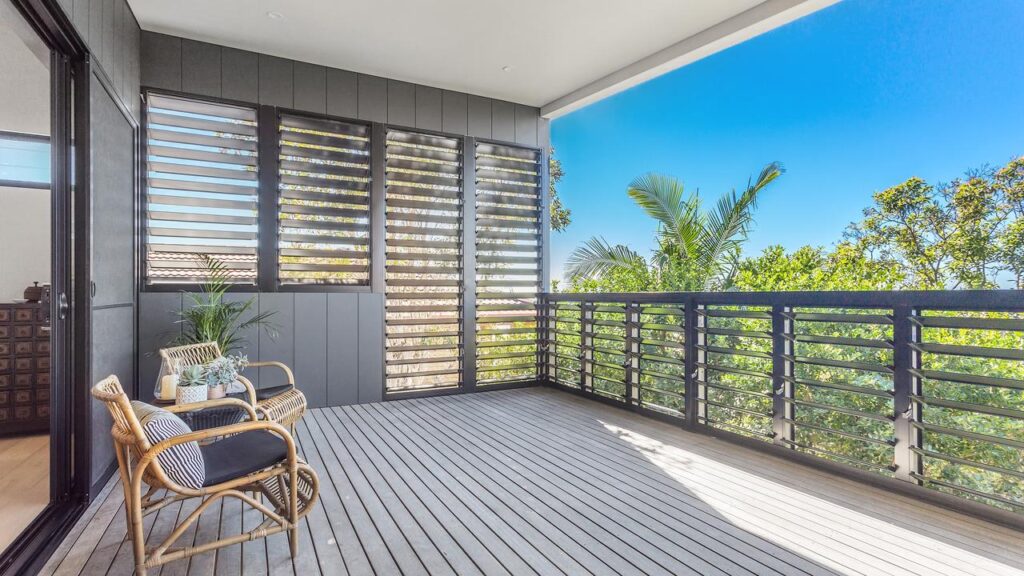
Take the case of a young couple who chose a regional coastal town in Victoria over suburban Melbourne. They purchased a 600‑sqm block at half the cost per square metre than in Melbourne’s outer west. They hired a local volume builder experienced in flood‑plain building and coastal wind ratings. Engineering costs were slightly higher, but overall they still came in 20% below metro pricing for a four‑bedroom home with solar passive design and rainwater harvesting.
They coordinated the build while working remotely—using fortnightly Zoom calls, drone footage of progress, and remote reviewing of plans. They documented the project on a blog and Instagram, contracting a freelance writer and graphics designer from marketplaces like Legiit to create content. Once completed, the home used 50% less electricity compared to their old rental in Melbourne. Living costs were lower; they were walking distance from schools, cafés, and the beach; and the sense of community was stronger. Five years later they sold at a modest gain, but realized almost 100% of their build cost back because metro prices had softened. Still, the lifestyle dividends outweighed pure return.