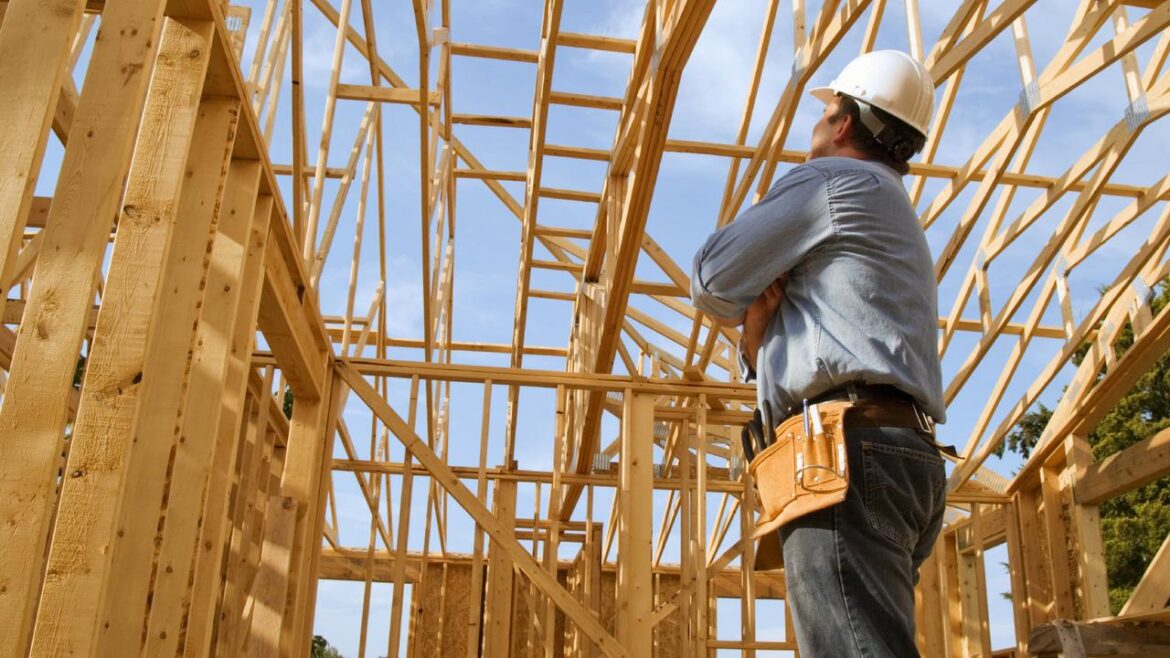
Building a home in Australia involves many moving parts. From local building codes and regulations to scheduling subcontractors and ensuring quality, it’s a complex process. At the heart of it all is the site supervisor: a hands‑on manager who orchestrates daily operations on behalf of a builder or homeowner. In the context of Australian home builders and residential projects, the site supervisor plays a pivotal role in bringing architectural plans to life, on time, on budget, and up to standard.
What a Site Supervisor Actually Does
On any typical day, a site supervisor begins early with preparation—reviewing the schedule, inspecting the site, and holding a toolbox talk with the crew. This involves going over tasks, identifying safety hazards, and motivating workers before construction starts. Throughout the day they monitor building progress, coordinate with tradespeople, confirm the arrival and correct storage of materials, and adapt the program if things fall behind.
They are also responsible for ongoing inspections: checking workmanship against plans and Australian Standards, ensuring compliance with building code requirements and quality expectations, and addressing issues before they escalate. They compile reports, track budgets and safety logs, and communicate changes to project managers or the client as needed.
Ensuring Safety and Legal Compliance
Australian residential construction is subject to strict Workplace Health & Safety (WHS) legislation and state building regulations. A site supervisor must hold a current White Card—mandatory for anyone working or supervising on site—and maintain familiarity with Safe Work Method Statements (SWMS) and risk assessment frameworks.
They oversee safety on site by conducting regular inspections, enforcing PPE use, supervising high-risk tasks such as work at heights or near live services, and addressing incidents or near misses through proper investigation and reporting protocols. In housing projects, they ensure the builder’s obligations under the Occupational Health & Safety Act and building code are fulfilled through competent, timely, and clearly delegated site supervision.
Coordination with Trades, Suppliers, and Stakeholders
Site supervisors act as the hub of communication between home builders, multiple trade contractors, suppliers, engineers, certifiers, and sometimes clients. In a typical residential build, they schedule trades in sequence—from foundations and slab works, to framing, roofing, plumbing, electrical, finishes, and handover.
They resolve any scheduling conflicts, material shortages, or workmanship queries on-the‑spot. As described by industry postings, a fairly typical supervisor might manage fifteen to twenty homes simultaneously and often do minimal direct client communication, focusing instead on production continuity for the builder’s workflow.

Nevertheless, they maintain frequent contact with internal management and project stakeholders, providing progress updates, coordinating inspections, and calling decisions when needed to keep the build on track.
Quality Control and Meeting Builder Standards
Australian home builders usually operate under fixed processes and production workflows. The site supervisor enforces builder-defined specifications and tolerances, inspecting work at key stages—for example, slab set‑out, frame alignment, waterproofing, tiling, cabinetry and final finish—and making sure defects are addressed immediately.
If insufficient quality is found, the supervisor directs trades to rectify, arranges third-party inspections or certification where required, and logs issues for follow‑up. Accurate documentation—site diary entries, safety logs, photographic evidence—is essential for both accountability and defending against builder or homeowner disputes.
Supporting Owner‑Builder Projects
The traditional model of professional home builders often assigns a supervisor to oversee builds on behalf of the company. However, on owner‑builder or collaborative self‑managed projects, the role becomes equally critical, though broader in scope.
Here, the site supervisor may act as an advisor as well as coordinator—educating the owner‑builder about building codes, quality standards, safety obligations, and construction sequencing. They help interpret plans and specifications, liaise with certifiers or council, and help manage trades to ensure the owner’s vision is realized without compromising compliance or safety.
Key Skills and Qualifications in Australia
Most supervisors start with formal qualifications—Certificate III or IV in Building & Construction, diplomas in Construction Management, or even degrees in Civil Engineering. Many also rise up from trade backgrounds, gaining hands‑on experience in carpentry, concrete, plumbing or electrical work before moving into supervision roles.
Essential competencies include leadership, communication, problem‑solving, detailed knowledge of materials and methods, confidence with builders’ software tools, and the legal/regulatory framework. They should be able to manage people tactfully, resolve disputes, and make prompt decisions under pressure.
Daily Routine Example for Home Building Projects
A supervisor’s typical day—from 5:30 AM to 4 PM—starts with reviewing schedules, paperwork, site safety, and scheduling toolbox talks. Mid‑morning might involve inspections, trade coordination, and problem-solving; lunchtime meetings with project managers or clients could follow. The afternoon is heavily focused on monitoring live works, quality control, documentation updates, and safety reporting.
Even outside office hours they may remain reachable for urgent decisions or consult by phone between visits. Recording decisions, capturing photos, and maintaining a clean diary record ensures accountability and facilitates smoother handover when the home is complete.
Contributions to Timely, Budget‑Friendly Builds
By effectively scheduling trades, ensuring material availability, and swiftly resolving delays, site supervisors directly influence build timelines and cost outcomes. They help home builders avoid costly rework, defective workmanship, or building code violations that lead to expensive defects or insurance claims.
Their daily decisions and on‑site adjustments keep budgets in check, reduce downtime, and support smooth handovers with fewer post‑construction messes or deficiencies.
Working With Australian Home Builders
Leading home builders in Australia often standardise the supervisor role across regional offices. Supervisors are trained to manage multiple projects, track budgets, maintain safety compliance, and reduce defects, all while operating within the builder’s production model.
Builders may also have client liaison officers to communicate with homeowners, since supervisors often remain focused on trades and site operations. Still, they are essential to achieving quality outcomes and ensuring the final home meets both builder promises and homeowner expectations.
Challenges Faced by Site Supervisors
Managing high volumes of builds, sometimes 15–20 homes at once, means time is tightly stretched. Supervisors may be pressured to minimise client communication and prioritise throughput over personal attention.
They must also remain vigilant around safety hazards—falls, exposure to silica and chemicals, machinery operations—in accordance with Australian WHS laws. This demands constant risk assessment, implementing controls, conducting toolbox talks, and updating SWMS and compliance documentation.
In addition, supervisors must resolve conflict among subcontractors, deal with unexpected weather delays, material shortages, and frequently adapt schedules without sacrificing quality or safety.

Rewards and Career Satisfaction
Despite these challenges, site supervisors often derive a deep sense of accomplishment from seeing a home rise from foundations to finish. They play a central role in realising client dreams while safeguarding safety and quality.
In owner‑builder projects, they act as trusted advisors—adding tangible value by educating and guiding a non‑professional client through the complexities of home building. Their impact is felt in every completed build, on time and defect‑free.
Role in Australian Home Building
In summary, the site supervisor is the backbone of home construction in Australia. Their role brings together scheduling, coordination, safety oversight, quality control, compliance, communication, and problem‑solving skills. Whether they work for a large-scale home builder or support an owner‑builder project, they are essential to delivering a safe, timely, and high-quality home that meets both regulatory requirements and client expectations.
For anyone involved in building a home in Australia—whether developers, builders, or owner’s representatives—a capable site supervisor is indispensable. Their influence shapes not just bricks and mortar, but safety culture, client satisfaction, and long-term value.