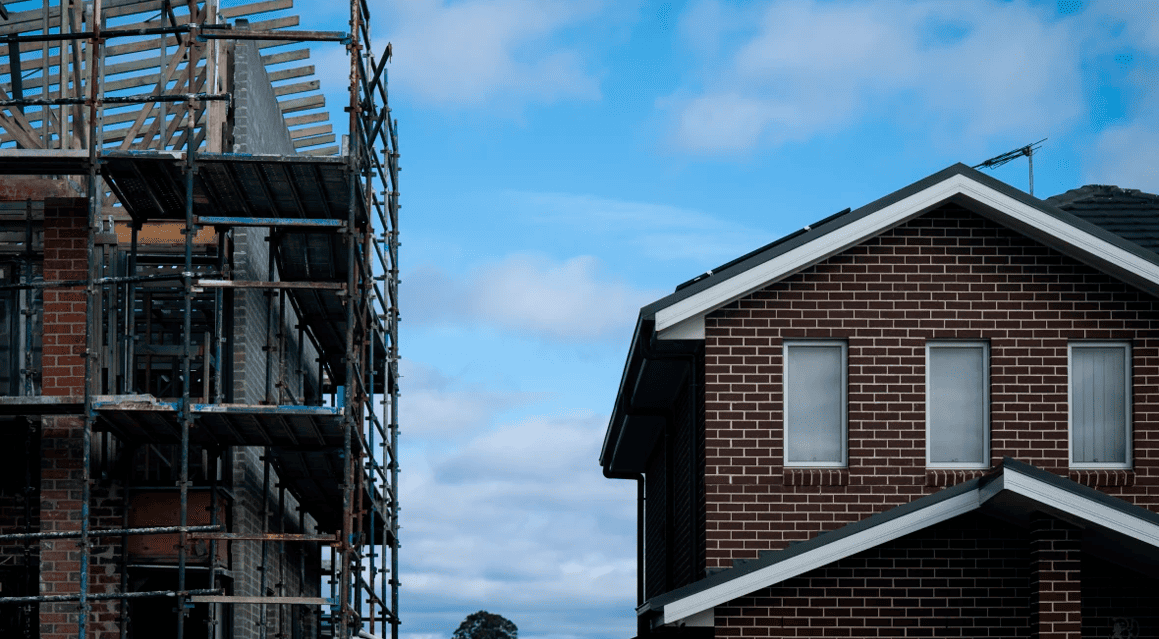
Building a home in Australia is an exciting journey—but it’s one guided by strict regulations and local council processes. For individuals dreaming of constructing their own home, engaging a reputable home builder often means navigating the maze of council approvals with confidence and expertise. In this post, we look at how home builders manage the approval process, what stages are involved, and why their role is so vital to a smooth build.
Understanding the Approval Regimes: DA, CDC and BASIX
In Australia, home builders must align with national and state frameworks. The National Construction Code (NCC), managed by the Australian Building Codes Board (ABCB), defines minimum standards for health, safety, energy efficiency, accessibility, and more. In New South Wales, for example, any new home over a certain value must also comply with BASIX—a sustainability assessment ensuring energy and water efficiency in design.
Home builders must determine whether a Development Application (DA) is required, or whether the build qualifies for a Complying Development Certificate (CDC), a faster route achieved by meeting specified design rules. CDCs may be approved in as little as 10 days using standardised designs—such as those in NSW’s new housing pattern book initiative—while traditional DAs can take several weeks or months.
Pre‑Lodgement Planning: Laying the Foundation
Before any formal lodging, builders in Australia carry out rigorous pre‑lodgement planning. This includes an analysis of zoning controls, Local Environmental Plans (LEPs), and Development Control Plans (DCPs) that apply to the property. Builders often work with architects, draftspersons, surveyors and engineers to create compliant and efficient plans tailored to the site’s constraints and council requirements.
Many builders sponsor early engagement with council planning officers to clarify necessary documents: planning certificates, site analysis, ecological considerations, and whether a statement of environmental effects is required. This helps prevent rejection or requests for major revisions after submission.
Lodging the Development Application
If a home build requires a DA, the builder lodges comprehensive documentation with the local council or state planning portal. Alongside architectural drawings, this may include a BASIX certificate (in NSW), bushfire compliance reports, drainage and landscape plans, and structural engineers’ certifications.
During lodgment, builders routinely coordinate with private or council building certifiers to ensure the proposed design aligns with the National Construction Code and Australian Standards. These certifiers play a critical role in deeming plans compliant or identifying where modifications are needed. Some councils have delegated authority, but others require formal hearings or panel review—especially for major or high‑value applications.
Assessment and Interaction
Once lodged, the council assesses the application, checking compliance with LEP, DCP and NCC criteria. The timeline varies. In many locations, builders quote an average of around three months for council assessments, though delays of up to a year are not uncommon in understaffed or politicised councils. Builders monitor the application closely, responding quickly to council requests for extra information or revisions, which is essential to avoid delays.
Professionals might attend council meetings or liaise directly with councillors in cases where decisions rest on elected members rather than delegated staff. In some states, particularly Western Australia, applications are reviewed by independent Development Assessment Panels designed to bring consistency and expertise to high‑value developments.
Decision and Conditions
When a DA is approved, the council issues a notice of determination specifying approval conditions, timeframes in which construction must begin, and compliance requirements (such as stormwater runoff limits or landscaping details). Builders immediately review these conditions and integrate them into construction contracts and site planning.
In cases where a CDC pathway is used—particularly via the NSW pattern book designs—the approval is faster, more predictable and bypasses much of the traditional council delay. Starting from late July 2025, those standard designs have been eligible for approvals within 10 days under the complying development rules, reducing complexity and cost for many home builders.
Obtaining the Construction Certificate and Starting Work
Approval of a DA is only the beginning. Home builders next need to secure a Construction Certificate (CC), which confirms the plans comply with the Building Code of Australia. Builders often engage an accredited certifier at this stage, whether private or council‑based, ensuring all details are compliant and ready for construction.
Once the CC is issued, the build can legally proceed. Builders coordinate all trades, materials, and logistics and handle necessary inspections at key stages—foundation, frame, lock‑up, interior, and final completion—as mandated by law.

Inspections and Occupation Certificate
Throughout the construction of a home, council or certifier‑led inspections ensure compliance with approved plans and standards. At the end of the process, a final inspection leads to an Occupation Certificate, signifying the home is fit for habitation. Successful navigation of this process ensures that the home meets safety, building code, energy, and design requirements.
How Builders Add Value Throughout
Home builders in Australia do more than build—they manage complexity. They:
- Translate a client’s vision into compliant, approved documents.
- Coordinate architects, engineers, certifiers, and council authorities.
- Expedite approvals by preparing accurate and complete applications.
- Offer fast-track pathways (like CDCs, pattern book designs) to reduce wait times and costs.
- Monitor applications and respond quickly to council queries.
- Ensure compliance during construction, handling inspections efficiently.
- Manage energy efficiency, sustainability, and thermal performance to NCC/BASIX expectations.
The Role of the Housing Industry Association
Many home builders are members of the Housing Industry Association (HIA), Australia’s peak body representing over 60,000 home building professionals. HIA supports builders with industry advocacy, compliance resources, and training programs such as GreenSmart, which promotes sustainable design and building practices.
Timeframes and Common Delays
Timing is highly variable. On average, council approval can take around three months, though complexity, location, and council capacity matter greatly. In fast‑track CDC scenarios or when using pattern‑book designs, approvals can happen within 10 to 20 days in NSW. Home builders work tirelessly to identify and mitigate delays—including compliance issues, missing documents, or slow council responses—to keep the project on track.
Future Trends: Faster, Smarter, Simpler
New initiatives across states are aiming to streamline the building approvals process. In NSW, the recently introduced pattern book completions and complying development reforms allow standardized home designs to bypass much of the traditional council process.
Other states, including Tasmania, are exploring independent planning panels to bring consistency, transparency and efficiency to development decisions. These reforms promise to reduce time, cost and uncertainty faced by both home builders and home buyers.
Why Builders Matter in the Home‑Building Journey
Building a home in Australia entails navigating regulatory frameworks, planning legislation, building certification, council assessments, construction oversight and final compliance. Home builders act as guides across this journey, helping clients transform dreams into reality with minimal stress. With expert teams, established processes, and in many cases access to fast‑track pathways, they significantly reduce risk and delay.
Whether you are planning a custom build in Victoria, a terrace home in Sydney under a new pattern book program, or a sustainable family home in Western Australia, engaging experienced home builders ensures every step—from DA submission to handing over keys—is handled expertly and confidently. Their knowledge of state and local rules, relationship with certifiers, and strategic planning make them indispensable partners in building a home in Australia.