Building a home in Australia can feel like navigating a maze: balancing your budget, choosing trustworthy home builders, meeting sustainability standards, and creating a beautiful, functional house for your family. Yet with careful planning, smart decision‑making, and thoughtful trade‑offs, you can keep costs under control while delivering quality that lasts.
Set a Clear Budget and Stick to It
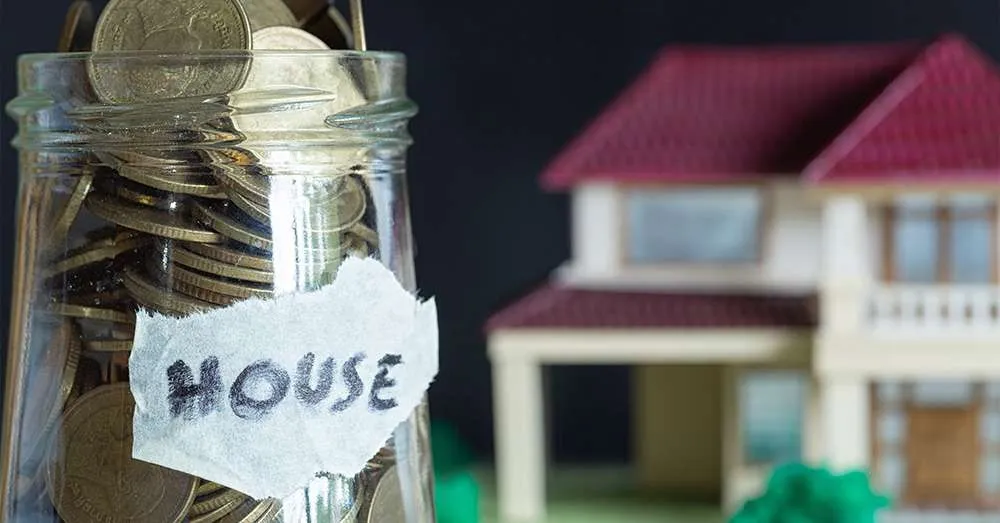
Long before you meet a builder or select finishes, the most powerful money saving tool is a detailed, realistic budget. That means accounting not only for land and construction but also site costs, permits, landscaping, unexpected contingencies—and even extras like stamp duty or financing. Reliable Australian sources suggest the average building cost in 2025 ranges from roughly AU $1,700 to AU $4,000 per square metre, depending on your state and design choice. By clearly breaking down those costs, deciding what upgrades truly matter to you, and leaving a buffer for surprises, you’ll avoid costly changes mid‑build.
Choose the Right Home Builder, Not Just the Cheapest
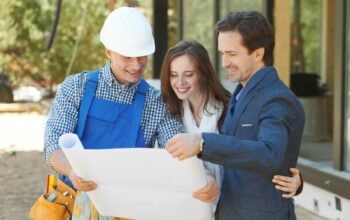
It can be tempting to go with the lowest quote, but that rarely pays off in the long run. Choosing a reputable home builder—one who is timely, communicates clearly, provides references, and understands your vision—will save money by reducing delays, change orders, and mistakes. Experienced builders also have established supply chains and purchasing power, so you benefit from cost‑effective materials and reliable workmanship. While they may not be the cheapest up front, their efficiency and professionalism tend to deliver better value overall.
Keep the Design Simple and Efficient
Complex house plans cost more. An efficient layout—typically a single‑storey home, rectangular footprint, minimal corners, fewer intersecting roof planes—uses materials and labour more economically. Simpler designs not only take less time to build but reduce the risk of construction mistakes and hidden costs.
Wet areas like bathrooms and kitchens drive costs disproportionately, so avoid unnecessary ones or cluster them to share plumbing runs and services. That smart design approach can significantly lower your overall build price without affecting livability.
Choose Flat Land and Avoid Expensive Site Work
Site selection plays a major role in cost control. Flat land with easy access, sound soil, and minimal earthworks reduces excavations, retaining walls, and specialist site preparation. Building on sloped sites can easily add tens of thousands in unexpected costs. Avoiding tricky landscapes is one of the simplest yet most effective ways to cut your build cost without sacrificing quality.
Invest Once, Save Many Times with Energy‑Efficient Design
Spending a bit more upfront on superior insulation, passive solar orientation, quality glazing, and airtight construction pays dividends in lower energy bills and long‑term comfort. Australian building codes now require at least a 6★ NatHERS energy rating, and compliance with tools like BASIX in NSW is mandatory for water and emissions reductions. While extra insulation or triple glazing might increase your immediate cost, these measures reduce heating and cooling expenses, increase market appeal, and support long-term sustainability—adding tangible value to your home.
Consider Prefabricated or Modular Construction
Off‑site construction methods like modular homes, granny pods or even 3D‑printed structural panels can dramatically reduce labour costs, time delays, and material waste. Recent projects in Melbourne and New South Wales have demonstrated that modular or 3D‑printed builds can be delivered 25–30 percent cheaper and much faster than traditional methods. For example, AI‑coordinated micro‑factories and modular kits enable delivery of homes in weeks rather than months, even in the face of tradie shortages, while preserving quality and sustainability standards. Choosing a scalable prefab solution doesn’t mean skimping on design—it means working with builders who specialize in structured, factory‑crafted systems that deliver consistent quality.
Reuse, Reclaim, and Build Green
Eco‑conscious builders in Australia increasingly recommend reclaimed materials—even rescued timber, doors, or fixtures—as attractive, sustainable, and budget‑friendly options. Rather than defaulting to imported or brand‑new luxury finishes, choosing locally sourced, well rated eco materials and reusing elements where possible can cut costs while honoring your environmental values. Retrofitting elements or preserving heritage components within your build can deliver such benefits even if you aren’t replacing an existing structure.
Plan Strategically for Upgrades
If your budget is tight, focus on structural essentials and leave non‑critical upgrades like premium landscaping, luxury fittings, or high‑end appliances for later. Get a fixed‑price contract for the build to lock in costs and avoid escalation later—even if minor upgrades are postponed until after occupancy. Doing simpler base finishes and adding upgrades in stages preserves build quality but controls cash flow.
Collaborate Closely and Value Teamwork
Working effectively with your builder, architect, engineers, and contractors is essential. Collaboration from the design phase through completion helps the whole project stay efficient, avoid expensive rework, and deliver the best outcome. Encourage a team mindset focused on value rather than cutting corners—and maintain good rapport so trades feel invested in your project and may go the extra mile when needed.
Bringing It All Together
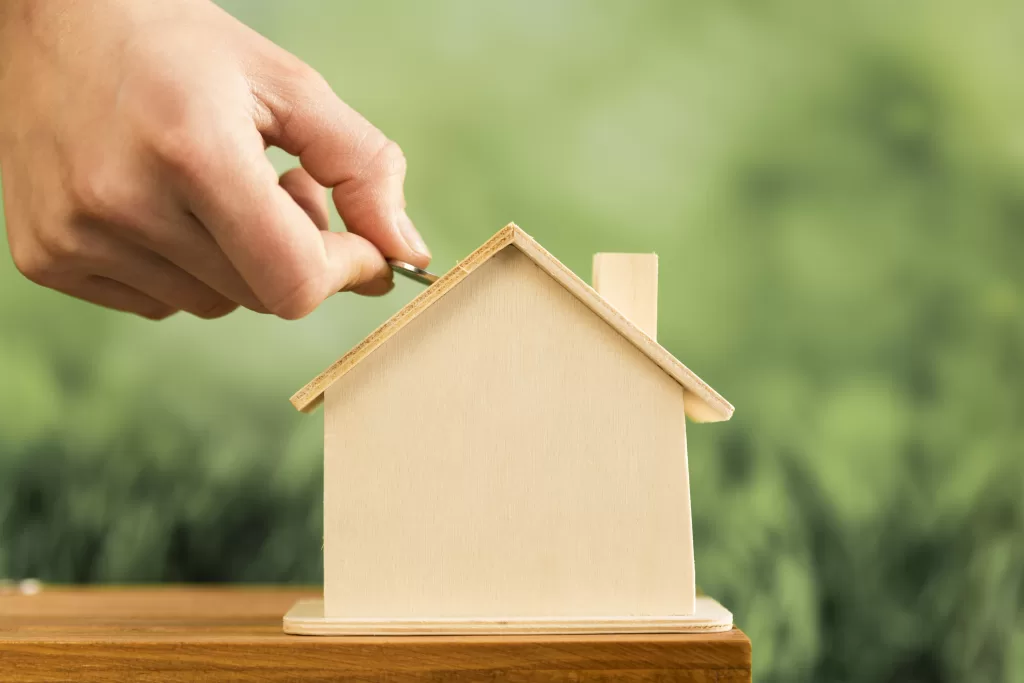
When building a home in Australia on a budget, the guiding principle is to spend thoughtfully—not necessarily less, but smarter. A well‑considered site, modest yet efficient design, strategic early investment in insulation and glazing, choice of a reputable home builder, and innovative construction methods like modular, prefab or AI‑assisted systems can all reduce costs while maintaining—or even improving—quality.
By choosing simplicity where it doesn’t compromise function, focusing spending on long‑lasting and high‑return features, and partnering with professionals who provide transparency and trust, you can build a home that meets your needs, respects your budget, and delivers enduring value in the Australian context.
If you’d like help finding home builders experienced in energy-efficient or modular builds, or want guidance on upgrading insulation or orientation for your climate zone, I’d be glad to assist further.