The Rise of Smart Homes Down Under
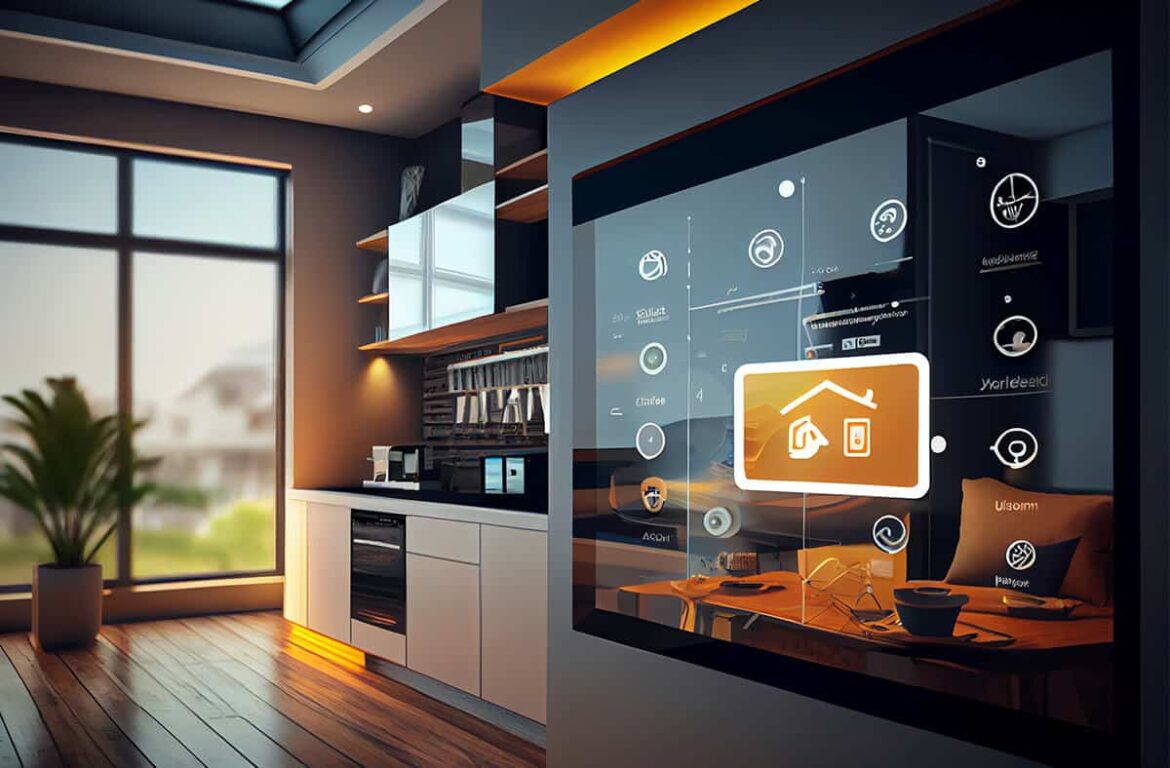
In Australia’s evolving residential market, builders and developers are increasingly offering tech‑ready homes that integrate smart systems into the very fabric of construction. As energy efficiency standards rise, consumer expectations shift, and digital habits reshape modern lifestyles, both custom home builders and volume builders are embedding automation, security, and AI functionality into new builds. Choosing a smart home in Australia is no longer future‑proofing—it’s base code.
Building a home in Australia today means navigating sustainability codes, energy ratings like NatHERS, and desire for responsive, efficient living. Smart home technology is no longer an add‑on but a core component of high‑value builds.
Why Builders Are Offering Smart‑Ready Homes
Market Demand and Increased Home Value
Consumer demand for integrated technology in homes is surging. Homes with lighting, climate, security, entertainment, and energy‑management systems built in during construction are more appealing on the market, often commanding higher prices and faster resale. Developers see this as a selling point to attract eco‑lifestyle or tech‑savvy buyers, with smart automation packages offered as standard or upgrade options .
Avoiding Costly Retrofits
Including infrastructure for smart systems—dedicated conduit, central control panels, structured wiring—during the planning stage avoids invasive and expensive retrofits later. Builders can integrate automation cabling and energy monitoring hardware seamlessly as part of the build, saving time and cost.
Government Standards and Energy Efficiency
Australia’s National Construction Code (NCC) increasingly mandates higher efficiency. Many jurisdictions now require homes to achieve at least 6‑star NatHERS ratings, and in some areas the standard has risen to 7 stars . Smart systems like programmable thermostats, automated shading, and solar‑optimised energy management support compliance, reducing heating and cooling demand while boosting occupant comfort.
What Smart Builders Offer: Packages and Technology
Volume Builders Embracing Smart Tech
Australia’s largest builder, Metricon—active across multiple states including Victoria, New South Wales and Queensland—has begun designing display homes with smart features as standard, in partnership with smart home integrators. These homes include smart lighting, climate control, door access and entertainment infrastructure, selectable during the build contract.
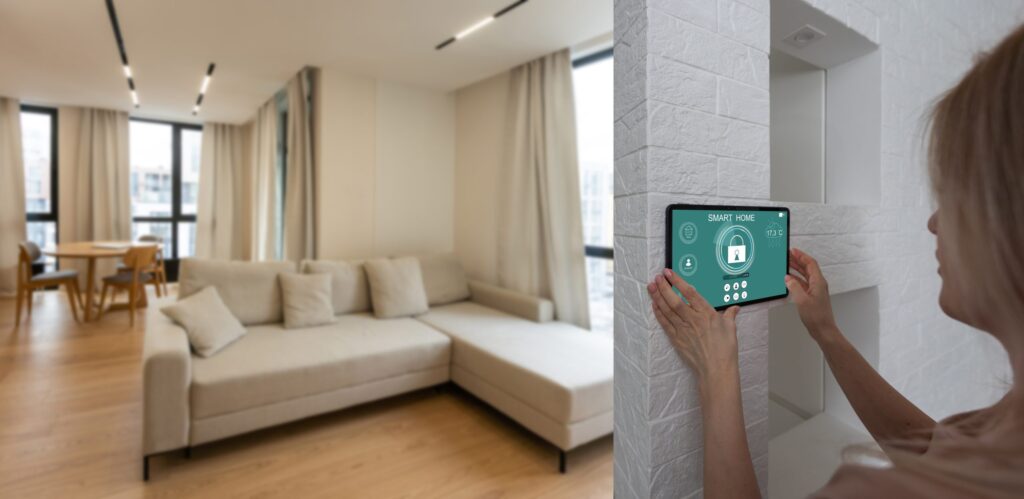
Custom builders like Nexa Homes similarly promote homes designed with smart home technology seamlessly integrated for comfort, convenience, and sustainability. Smaller custom builders and display home providers increasingly offer smart packs that include home automation systems controllable via voice or app.
Smart Home Integrators for Builders
Specialist firms such as Smart Tech Homes and Get Smart Home work closely with builders and developers to embed automation infrastructure during construction. With over 25 years of industry experience, Smart Tech Homes collaborates on project timelines to integrate lighting, security, HVAC, and energy solutions in a coordinated build process that avoids delays and disruption.
Smart Infrastructure in Sustainable Communities
Developments like Currumbin Ecovillage on Queensland’s Gold Coast demonstrate smart design combined with sustainability. Homes here include energy ratings, solar‑ready infrastructure, water autonomy, permaculture landscaping and smart energy monitoring to achieve low environmental impact living.
In Cape Paterson, Victoria, The Cape community enforces minimum 7.5‑star energy ratings, many homes exceed 8‑star, and some designs include smart systems that generate surplus energy and minimize bills.
Cutting‑edge Methods: AI, Modular & Robotic Building
Builders are exploring advanced construction techniques that pair modular construction with smart systems. In New South Wales, Chandolin Construction and Cuby Technologies are using AI‑driven mobile micro‑factories to manufacture modular home components in bulk; these builds include insulation, smart energy features, QR‑coded parts and deliver homes in 30–60 days—often at one‑third the traditional cost.
Meanwhile robotics firms like Luyten 3D in Melbourne have printed structural wall elements and entire rooms with their Platypus X12 3D‑printer within hours, reducing labour costs dramatically. These homes can be pre‑wired for smart systems during printing, accelerating smart‑ready home construction. Similarly, Fastbrick Robotics’ Hadrian X robot can build brick structures in days, enabling rapid construction of homes pre‑configured for smart wiring and automation infrastructure.
Building a Smart Home in Australia: The Process Explained
Planning and Design Phase
Effective smart home integration begins in the planning stage. Homeowners, architects, and builders collaborate to map out where systems will reside: hub locations, wiring pathways, device placements, access points, sensor circuits. This avoids clutter, ensures aesthetics, and prevents costly rewiring afterward.
By choosing builders or integrators who specialise in smart technology from the outset, these systems become invisible foundations rather than retrofit gadgets.
Customisation Options
Smart home packages typically allow clients to choose:
- Automated lighting and dimming systems
- Smart HVAC controls and zoning
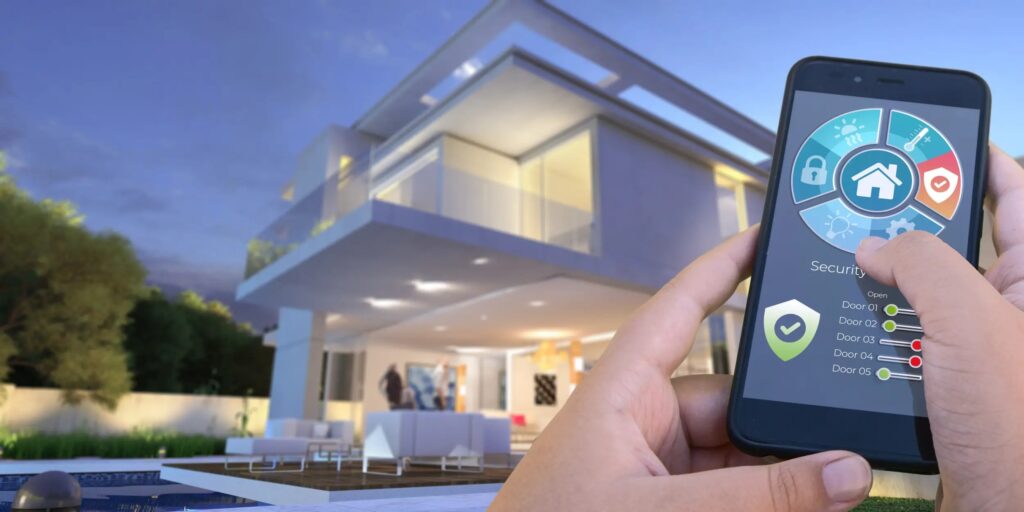
- Security systems with sensors, cameras, and remote monitoring
- Voice control and central hubs (e.g. Control4) or app control
- Energy management dashboards tied to solar and batteries
Homeowners can upgrade further over time or begin with basic functionality and expand later—because the wiring and infrastructure were pre‑installed.
Compliance and Energy Ratings
Every new home in Australia must comply with the NCC, meeting or exceeding performance standards across safety, energy, accessibility, and efficiency. Smart systems help developers meet NatHERS star ratings, BASIX standards in NSW, and other state‑level sustainability mandates.
Builders often include materials like structural insulated panels or modular components engineered for thermal resilience. Combined with smart controls, these homes achieve consistently low running costs and behavioural energy optimisation.
Construction and Installation
During construction, integrators or builders install:
- Structured wiring and communication backbones
- Home automation controllers, smart meters, energy gateways
- Smart thermostats, sensors, lighting control units
- Home security hardware (smart locks, cameras, door/window sensors)
This installation occurs in sync with framing, electrical rough‑in, and fit‑out, minimizing disruption and ensuring a clean, integrated result.
Post‑construction, automation systems are commissioned, homeowners are trained on interfaces, and dashboards are activated for remote monitoring and control.
Real‑World Examples and Emerging Trends
A Queensland Smart Home with AI and Medical Care Capabilities
In Cairns, a cutting‑edge smart home was designed by engineer Julius Arnold‑Janco with special integrated medical infrastructure. The home includes a ‘hospital patient‑care bedroom’ with medical oxygen and air circuits, voice‑enabled AI assistant (named Cora) that monitors water leaks, termite activity and security—all offline to preserve data privacy. The cyclone‑resilient, environmentally‑smart home stands as a seven‑figure example of luxury plus tech‑ready utility.
Modular Granny Pods and Smart Multi‑generation Living
Prefabricated granny pods—compact, modular studios built off‑site and installed in backyards—are gaining traction across states like Queensland, SA, WA and Victoria. These pods often incorporate smart features like automated lighting, climate zones, and remote monitoring. Approved faster and more affordably, granny pods support multigenerational living and can boost property appeal.
Industry Warnings and Opportunities
Despite the growth in smart‑ready constructions, a recent report by Urbis and NBN highlights that Australia still trails behind in integrating smart infrastructure at project concept stages. Approximately 55 % of stakeholders say the smart agenda is still an afterthought. Experts warn that embedding technology during planning—not retrospective retrofit—is critical for urban resilience and smarter growth.
Benefits to Homeowners and Builders
Enhanced Lifestyle and Convenience
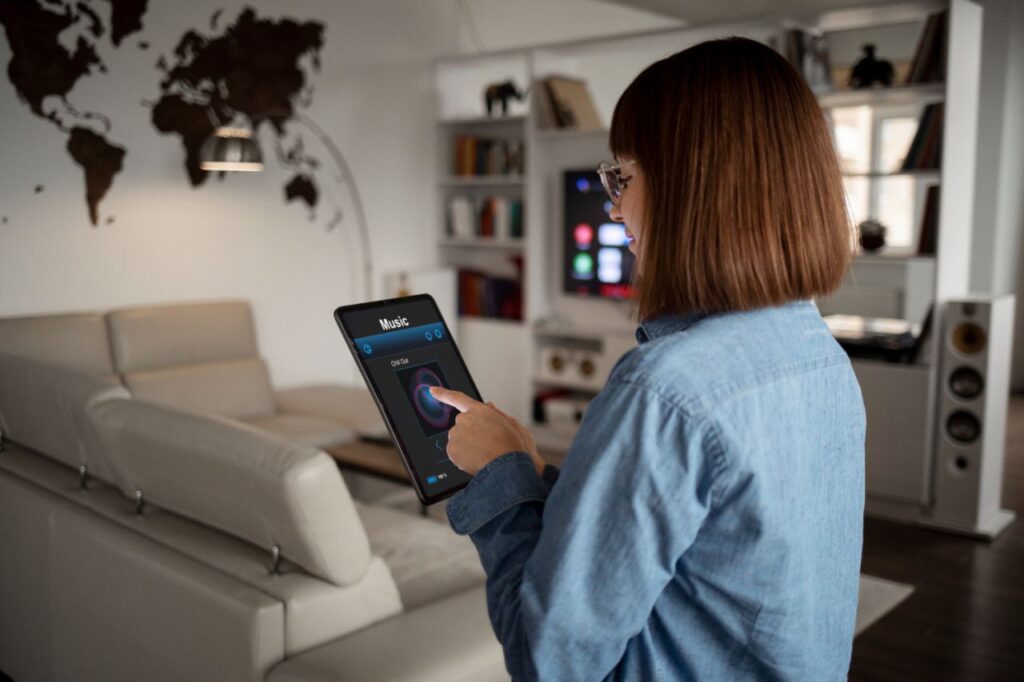
Smart homes offer control at your fingertips: dim lighting with a tap, program climate zones, use voice assistants to run entertainment, or monitor doors remotely. These systems adapt to routines, learn preferences, and bring next‑level convenience to everyday life.
Energy Savings and Sustainability
By combining solar readiness, energy‑efficient materials, and smart controls, homeowners reduce utility bills, cut emissions, and increase comfort. Smart systems can schedule appliance use during off‑peak solar periods or automatically optimize HVAC schedules for efficiency.
Safety and Peace of Mind
Integrated security systems with smart locks, alarm triggers, cameras, water leak detection, and alert systems like AI assistants provide real time oversight and notifications—even when you’re away. Designing these systems from the start ensures clean installation and full coverage.
Higher Resale Value
Homes marketed as smart, energy efficient, and future‑ready typically attract higher buyer interest, especially in tech‑driven and green lifestyle markets. Integration of smart infrastructure increases perceived quality and long‑term value relative to traditional homes.
Faster Builds and Reduced Costs via Innovation
Modular and AI‑driven builds—whether via mobile micro‑factories or robotic printing—accelerate home delivery while embedding tech infrastructure. Building timelines shrink to weeks rather than months, and embedded smart wiring is part of the modular system. These innovations support affordable, scalable smart home production.
Smart home technology in Australia is no longer a novelty—it’s a fast‑growing expectation built into modern builds. Whether you are working with a major builder like Metricon offering smart‑enabled display homes, a custom home provider like Nexa Homes or smaller smart infrastructure integrator, choosing a tech‑ready home sets you up for future‑proof living. From sustainability compliance and energy efficiency to lifestyle enhancements and increased resale value, the benefits are real.
Building a smart home in Australia today means planning early, selecting the right builder or automation partner, and embedding systems during construction rather than retrofitting later. As legislative standards tighten and consumer demand grows, smart‑ready homes offer homeowners convenience, efficiency, and long‑term value. In the years ahead, expect smart homes to become the benchmark rather than the exception in Australian homebuilding.